MTL vape, who a tight draw really suits

It is often presented as the natural starting point, the draw everyone is supposed to begin with. That is a simplification. An MTL vape shapes a whole chain of equipment, from the tank to the share of propylene glycol in the liquid, and it fits some daily routines very well while becoming a nuisance in others. The point is to work out which group you belong to before buying the kit that goes with it.
Which uses an MTL vape suits
An MTL vape suits discreet, broken-up use first and foremost. Think short, spaced puffs, indoors, around other people, or anywhere a visible cloud would cause trouble.
MTL stands for mouth to lung. The vapour is first held in the mouth, then inhaled in a second step, much as with a cigarette. Air passes through a narrow channel, which produces little vapour but a marked sensation in the throat.
This two-step mechanism explains everything else. It means lower liquid consumption, longer battery life, a smaller device and kit that costs less to maintain.
Four uses where this draw comes into its own
These situations come up constantly in user feedback, and what they share is an outside constraint rather than a matter of taste.
Vaping around other people
The volume of vapour stays low and disperses quickly. In a shared office, a car or shared housing, the difference from an open draw is immediately visible.
It is the first reason given by vapers who switch from one style to the other. In the UK, vaping is not covered by the smoke-free law for enclosed public places, so venues, employers and transport operators set their own rules, and a low-vapour device does not exempt you from them.
Lasting a day without charging
A tight draw uses little liquid and puts little strain on the battery. A small MTL device easily covers a day, where an open-draw setup needs charging by mid-afternoon.
For use on the move, that gap in battery life weighs more than any difference in flavour.
Looking for a clear throat hit
Air forced through a narrow channel concentrates the sensations. At the same nicotine strength, the throat hit is sharper than with an open draw, which many vapers explicitly look for.
Keeping liquid spending down
Less vapour means fewer millilitres used. Over a month of vaping, the gap between the two styles is counted in bottles rather than drops.
The same logic applies to nicotine. A tight draw allows higher strengths with small inhaled volumes, while an open draw pushes towards a lower strength. In the UK, nicotine e-liquid is capped at 20 mg/ml under the TRPR, so the higher strengths suited to a tight draw sit within that ceiling.
When an MTL vape becomes the wrong choice
Few guides admit it, yet this draw has firm exclusion cases.
A vaper who loves big puffs, who wants vapour volume or who chases clouds has no business here. The format restricts airflow on purpose, and no setting will turn it into an open-draw setup.
The second case is very thick liquids, rich in vegetable glycerine. They flow poorly through the high-resistance coils used for MTL and cause dry hits. Choosing this draw means sticking to thinner bases, generally around half propylene glycol, which narrows the range available.
A third case, rarer but real, concerns people sensitive to propylene glycol. They need bases rich in glycerine, and therefore a more open draw.
The kit that goes with it, and what it really involves
Choosing this draw means choosing a whole family of devices, not just an airflow setting.
On the hardware side, compact pods dominate, with a 2 ml reservoir, high-resistance coils and few or no controls. In the UK, 2 ml is also the legal ceiling for tanks and cartridges holding nicotine liquid.
MTL tanks fitted to a box exist as well and offer more adjustment, at the cost of bulk. Those who want a device with no settings at all can look at a power bank pod built for the whole day.
On the consumables side, coils generally last longer than with an open draw, because the power applied is low. Comparisons tend to forget this point, yet it weighs on the yearly budget.
On the liquid side, the need for fluidity points towards balanced bases and towards nicotine salts, which are very common on this format for their smoothness at higher strengths.
The entry cost is also lower than for an open-draw setup. A compact pod, a cartridge and a bottle are enough to start, whereas a high-airflow setup requires a box, a suitable tank and hungrier coils. It is rarely highlighted, yet it decides things for many people.
How to test before buying the kit
There is no need to buy two devices to decide. A three-step test is enough.
Start by observing your current habit. Do you hold the vapour in your mouth before inhaling, or draw straight into your lungs? That reflex already shows your natural draw.
Then close the airflow on your present device as far as it goes and vape that way for two days. You will not get a true tight draw, but you will know whether the sensation suits you.
Check the thickness of your favourite liquids too. If most of your range is made of very thick bases, switching to an MTL vape will mean changing them, and that detail is often what makes people give up.
Frequently asked questions
Five questions not covered above that come up regularly among vapers weighing up the two styles.
Which coil resistance suits a tight draw?
MTL setups use high-resistance coils, generally above 1 ohm, paired with low power. Very low values are reserved for open draws.
Is MTL quieter?
Yes, noticeably. The narrow air channel and low power produce a discreet hiss, where an open-draw setup is clearly audible. It is an overlooked criterion, yet a decisive one in an open-plan office.
Can the same liquid be used for MTL and open draws?
Technically yes, but the result changes a lot. A liquid high in nicotine that feels pleasant on a tight draw becomes hard to tolerate on an open draw because of the volume inhaled.
Does a tight draw clog the device less?
The tank gets dirty more slowly, but high-resistance coils are more sensitive to sweet liquids, which caramelise on the cotton. Cleaning is needed less often, and the choice of liquid matters more.
Is there an intermediate draw?
Yes, usually called restricted direct lung. It opens the air channel without going as far as a fully open draw, and serves as a compromise for vapers whom neither extreme satisfies.
Finding the draw that matches your day
The right draw is not the one recommended most often. It is the one that matches where you vape, how long you spend away from a socket and the liquids you already enjoy.
If those three elements point towards volume and power, look elsewhere without forcing it, because no setting reconciles the two worlds. If they point towards discretion and battery life, an MTL vape will be a lasting choice, and the kit will follow the use.
Related reading
- The Sonder Q2 and the first-time profiles it fits
- Small vape, trading size against battery life
- Box mod budget, what each tier really buys
Reserved for adult readers. Vaping products generally contain nicotine, a highly addictive substance, and their sale to under-18s is prohibited in the United Kingdom. This is independent editorial content and not a recommendation to buy any product.
Read next
 By Everyday Use
Small vape, how much size to trade for battery life
A small vape always trades size for stored energy. How far to shrink before two charges a day become the norm, with capacity thresholds by profile.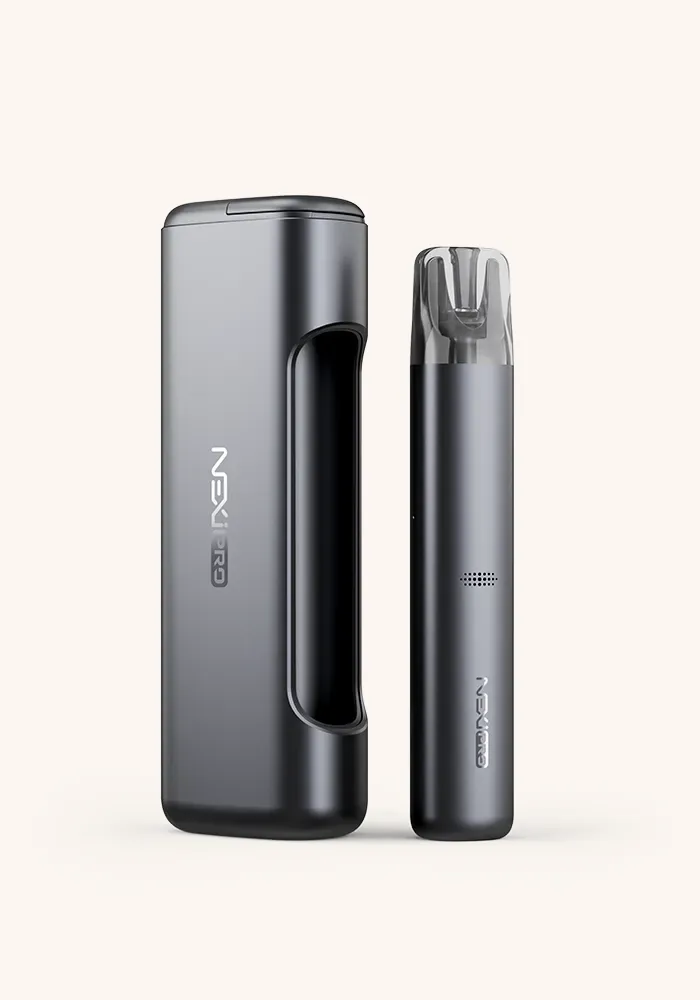 By Everyday Use
Aspire Nexi Pro, the everyday use it is built for
The Aspire Nexi Pro relies on a power bank case and zero settings. The daily routines where that choice pays off, and the ones where it falls short. First Pick